






Implantology
Screw-Retained Restorations
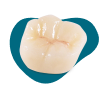
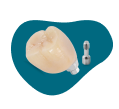
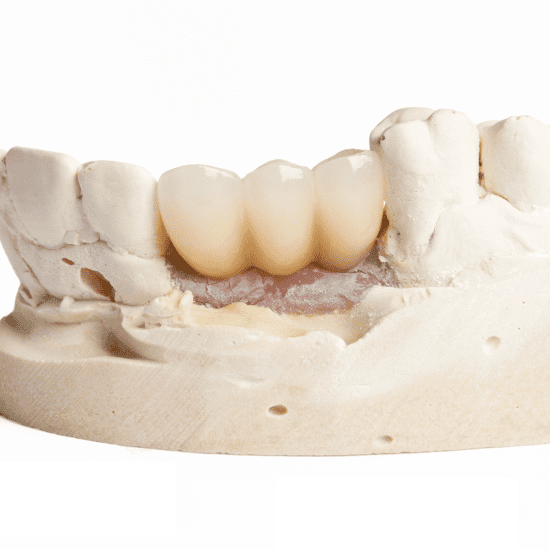
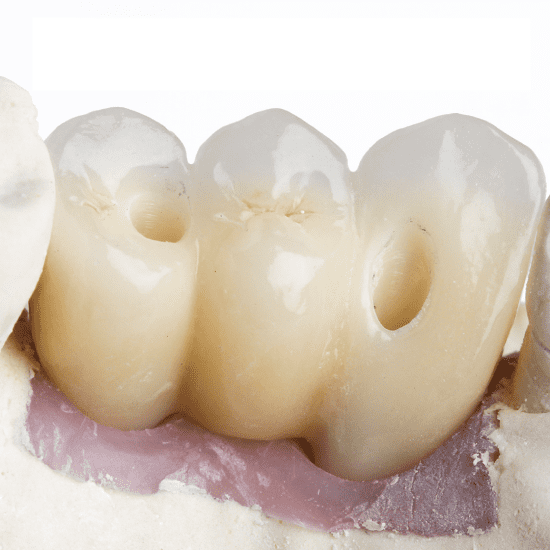
A screw-retained restoration is a dental prosthetic attached to an implant fixture using a screw. Most frequently used for crowns, bridges, and implant-supported dentures, screw-retained restorations provide durability, accuracy, and ease of maintenance.





Related Products & Services


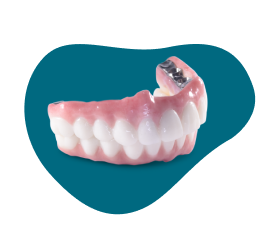
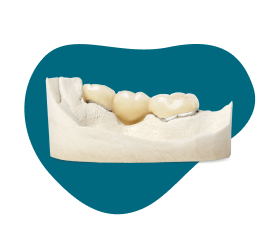
Table of Contents
Premium Implants in New Zealand Advantages Planning the Placement of a Screw-Retained Crown Planning the Placement of a Screw-retained Crown FAQPremium Screw-Retained Implants in New Zealand
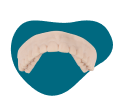
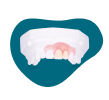
At Oceanic, our screw-retained restorations may be crafted onto multi unit abutments or directly on the implant. These restorations are vital for full prosthetic replacements, including implant-supported fixed dental prostheses and single implants. We use various materials such as:
- PFM (Porcelain Fused to Metal) with a titanium base or custom abutment
- Zirconia with a titanium base or custom abutment
- Full Metal Crowns with a titanium base or custom abutment
- Emax® with a titanium base or custom abutment
- All-on-4® Nobel Biocare Solutions
- All-on x solutions
Advantages of Screw-Retained Implant Crowns
- Ease of Retrieval: Simplifies hygiene maintenance, crown replacement, and adjustments.
- Better Retention in Limited Spaces: Ensures secure placement in cases with limited abutment height or surface area.
- Improved Hygiene: Promotes healthier gingiva during the interim phase before the final restoration.
- Aesthetic Options: Innovations like angulated screw channels allow for more aesthetic screw placements.
- Ideal for Bridges and Cantilevers: Offers enhanced durability and reliability for long-span applications compared to cemented restorations.
Planning the Placement of a Screw-Retained Crown
Careful planning is essential for the successful placement of a screw-retained crown. The implant should be positioned to ensure the screw access aligns with the central fossa in molars or the palatal surface for anterior crowns. While this alignment is generally easier to achieve in posterior teeth, anterior implants can be more challenging, especially when the screw access hole must exit palatally to maintain aesthetics and functionality.
Planning the Placement of a Screw-retained Crown
Prior planning before installation is crucial. The proper placement of the implant is important to ensure screw access is through the central fossa in molars, or in the palatal side in anterior crowns. While this is typically straightforward in the posterior, anterior implants may present challenges, especially if the screw access hole needs to exit palatally.
FAQ
How do aesthetics differ between screw-retained and cement-retained implants?
Screw-retained implants can offer enhanced aesthetics, particularly with angulated screw channel solutions for better screw placement. Cement-retained implants may be preferred for superior aesthetics at gingival margins, especially in anterior restorations.
How does the choice between screw-retained and cement-retained implants affect implant longevity?
Screw-retained implants are often easier to retrieve and maintain, which can improve their longevity. However, the decision depends on factors such as occlusal forces, implant positioning, and the patient’s specific needs and oral health.
How do screw-retained implants perform in cases of limited bone density?
Patients with limited bone density may require additional procedures, such as bone grafting, before implant placement. Comprehensive planning and custom solutions are essential to achieve the best outcomes in these cases.


Get In touch
Need Help or Support? Call our toll-free number to ask us any question or schedule your free pickup today.